


Redis compatibility, with lower memory costs
A key-value database compatible with the Redis protocol, but persisted on disk, powered by Apache Kvrocks and maintained by DINAO. Your data stays on our French servers — sovereign and sustainable.
What is Apache Kvrocks?
Apache Kvrocks is a distributed key-value NoSQL database that uses RocksDB as its storage engine and remains compatible with the Redis protocol. The goal is clear: reduce memory costs and increase capacity compared to Redis, by persisting data to disk rather than keeping everything in RAM.
Because it speaks the same protocol as Redis and implements its main data structures (String, Hash, List, Set, Sorted Set, Bitmap, Stream…), Kvrocks works with existing Redis clients, without rewriting your applications. It offers asynchronous replication via binlog, high availability through Redis Sentinel, and a cluster mode to distribute the load.
An Apache Foundation project, Kvrocks is designed for teams that need the simplicity and richness of Redis, but for large, durable volumes at a controlled cost: queues, sessions, counters, persistent caches, or application metadata.
Host Apache Kvrocks at DINAO
Resource tiers compatible with Apache Kvrocks prerequisites (minimum 1 vCPU / 512 Mo / 5 Go). Hosted in France, fully managed.
- 1 allocated vCPU
- 2 GB RAM
- 20 GB NVMe
- Daily backups
- Managed & monitored by DINAO
- 2 allocated vCPU
- 4 GB RAM
- 40 GB NVMe
- Daily backups
- Managed & monitored by DINAO
- 4 allocated vCPU
- 8 GB RAM
- 80 GB NVMe
- Daily backups
- Managed & monitored by DINAO
- 8 allocated vCPU
- 16 GB RAM
- 160 GB NVMe
- Daily backups
- Managed & monitored by DINAO
Managed Apache Kvrocks hosting in France
Self-hosting Apache Kvrocks means a server to maintain, security updates, backups and monitoring. With our managed Apache Kvrocks hosting, you use the application: we run the infrastructure.
- Deployed in minutes, always kept up to date
- Daily backups included
- Continuous monitoring, data hosted in France (GDPR)
- Prefer self-hosted with root access? Apache Kvrocks also runs on our Docker VPS.
Technical details
You may also like…
Other applications managed by DINAO in the same category, hosted in France and GDPR compliant.
 EdgeDB
Managed EdgeDB (Gel) by DINAO: a graph-relational database built on PostgreSQL, hosted in …
EdgeDB
Managed EdgeDB (Gel) by DINAO: a graph-relational database built on PostgreSQL, hosted in …
 MariaDB
Managed MariaDB by DINAO: open-source SQL database compatible with MySQL, hosted in France…
MariaDB
Managed MariaDB by DINAO: open-source SQL database compatible with MySQL, hosted in France…
 PostgreSQL
Managed PostgreSQL by DINAO: advanced SQL database hosted in France, GDPR compliant. Backu…
PostgreSQL
Managed PostgreSQL by DINAO: advanced SQL database hosted in France, GDPR compliant. Backu…
 Redis
Managed Redis by DINAO: in-memory key-value store (cache, sessions, queues) hosted in Fran…
Redis
Managed Redis by DINAO: in-memory key-value store (cache, sessions, queues) hosted in Fran…
 Cassandra Reaper
Managed Cassandra Reaper by DINAO: automated orchestration of repairs for your Apache Cass…
Cassandra Reaper
Managed Cassandra Reaper by DINAO: automated orchestration of repairs for your Apache Cass…
 Autobase
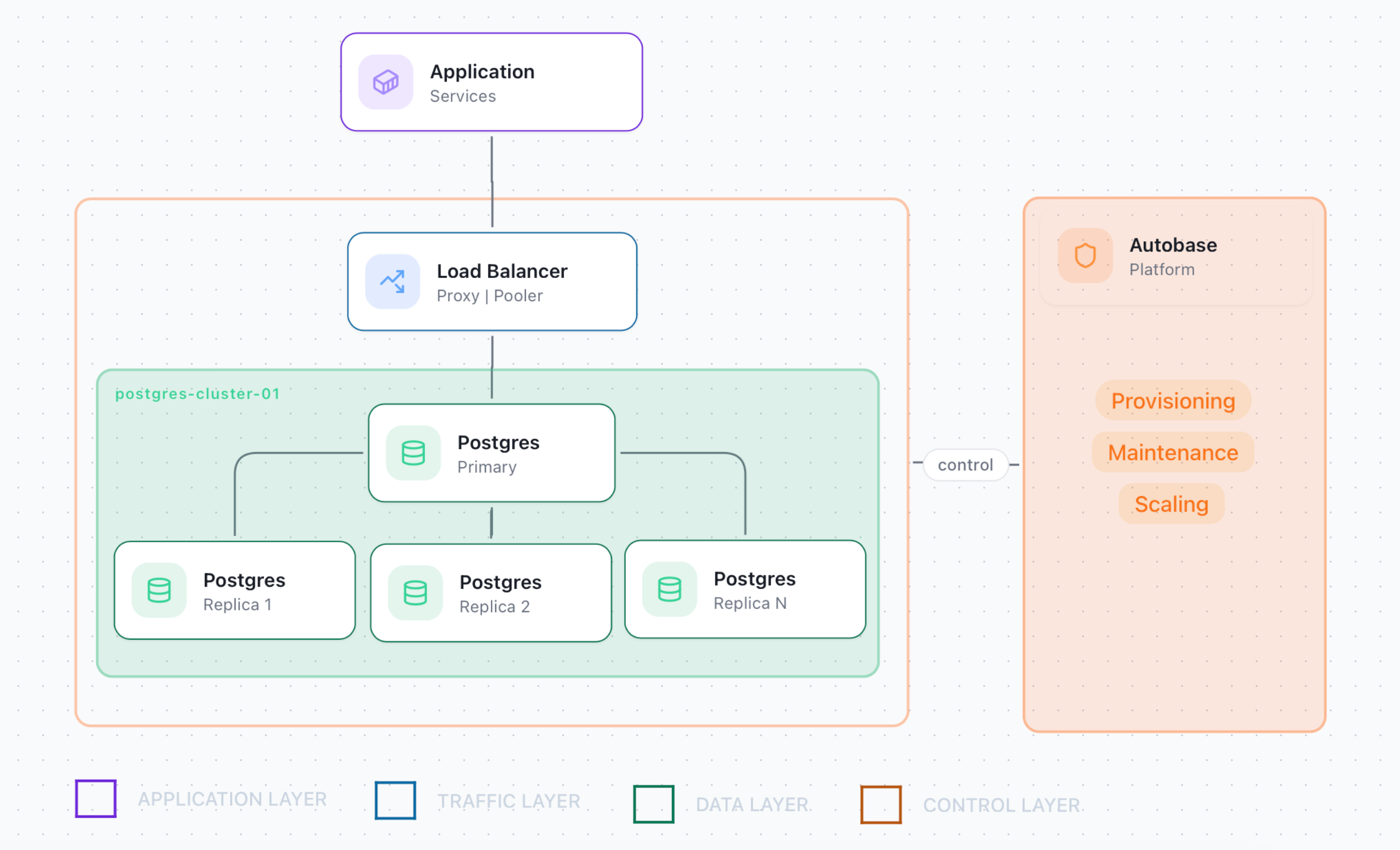
 managed by DINAO: high-availability PostgreSQL platform (your own DBaaS), hosted …
Autobase
Autobase managed by DINAO: high-availability PostgreSQL platform (your own DBaaS), hosted …
You might be wondering…
Do my Redis applications work as is?
Yes, in the vast majority of cases. Kvrocks implements the Redis protocol and its main data structures, so your existing clients connect without modification.
What is the advantage over Redis?
Kvrocks stores data on disk (RocksDB) instead of keeping everything in RAM. You get much greater capacity at reduced memory cost, ideal for large, durable key-value datasets.
Where is the data hosted?
On DINAO's French infrastructure, in one of the available datacenters. Your data never leaves the territory.
Do I need technical skills?
To integrate the database into your applications, developer skills are useful. Operations (cluster, replication, backups, updates) are fully managed by DINAO.
Can I change plans or export my data?
Yes. You can upgrade or downgrade at any time, and your data remains exportable — no proprietary lock-in.